

Understanding ACCA modules in Zimbabwe is useful only when the structure is connected to your own route and learning plan. A diagram showing levels does not tell you how many papers to prepare together, which prior knowledge to refresh or whether a course covers the intended variant.
Use the current ACCA qualification structure and your official student position. Check applicable progression and transition guidance before relying on an old paper list. This article explains how to turn that information into a practical planning sheet.
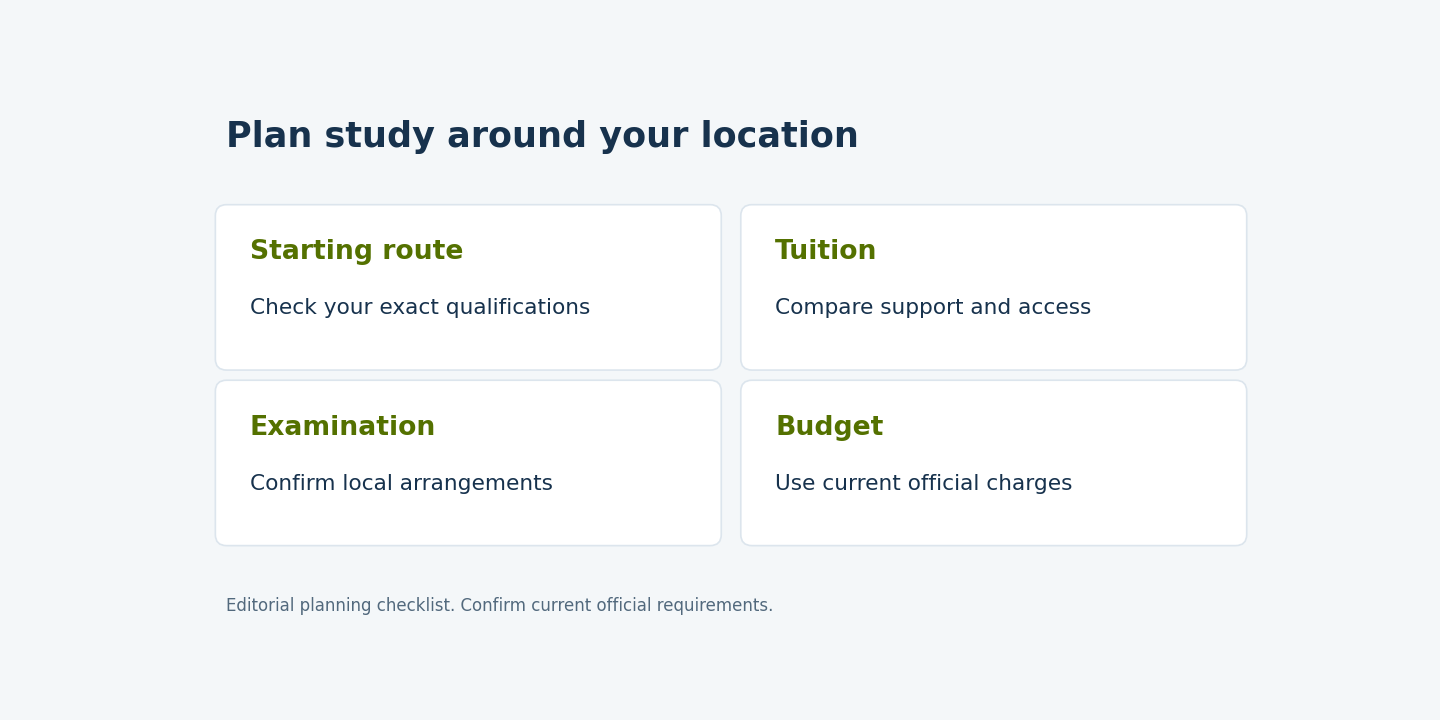
Start with your actual position
Record completed exams and confirmed exemptions separately. Add any decision still pending. Build the next step from that record instead of copying a classmate’s sequence.
For each candidate paper, identify what knowledge it expects you to apply. Try a short independent exercise to discover whether you need to refresh a foundation area. A focused revision task can make later teaching easier to follow.
Compare workload before combining papers
Count time for learning, independent questions, marking and review. Two lecture schedules may fit in a calendar while the combined practice load does not. Include work, university and family commitments in the calculation.
Write a busy-week version of the plan. If it removes all question work, reduce the load or change the attempt timing. A sustainable sequence is more useful than an ambitious calendar which depends on every week being unusually quiet.
Confirm syllabus and variant
Check that tuition and practice materials apply to the paper you intend to take. Where a variant is relevant, resolve it before purchasing a course or booking an exam. Ask the provider to explain what the course covers and for which period.
Avoid combining materials from different syllabus periods without checking changes. Record a resource’s edition and intended exam coverage so an outdated example can be identified rather than treated as a contradiction in the current rules.
Set a review point
Before a booking commitment, review coverage, independent attempts, repeated errors and feedback. Use these findings to decide what needs more work. Finishing recordings establishes that you have watched the material; it does not measure every aspect of exam performance.
A useful review can ask whether you can interpret a requirement, choose a method, explain a result and complete a controlled attempt. These are diagnostic prompts, not a guaranteed pass threshold.
Keep the plan connected to membership
An exam sequence is one part of the qualification journey. Keep any required ethics and practical-experience work visible in separate tracks. Confirm the requirements for your route through official guidance and update the plan as your circumstances change.
Discuss your next step with ASA
For the wider route and study picture, read the ACCA in Zimbabwe guide. Explore Abeel School of Accountancy and ASA courses. Ask ASA about tuition with your qualifications, intended paper, location, preferred teaching language and available study hours. Confirm the actual course format and access conditions; this article does not imply a physical ASA branch or exam venue in Zimbabwe.
Sources reviewed 13 October 2026: ACCA qualification structure. Planning examples are editorial suggestions, not guaranteed exam, employment or licensing outcomes.
More ACCA planning guides for Zimbabwe
- ACCA Entry Requirements in Zimbabwe: Check Your Exact Qualification
- ACCA Fees in Zimbabwe: Build a Budget You Can Update
- ACCA Exemptions in Zimbabwe: Check Your Programme Before Skipping Papers
- ACCA Online Classes in Zimbabwe: Test Access, Timing and Feedback Before Enrolling
- Choosing ACCA Tuition in Zimbabwe: An Evidence-Based Comparison Worksheet
- Becoming an ACCA Member in Zimbabwe: Track Exams, Ethics and Experience
- ACCA Careers in Zimbabwe: Compare Roles Using Real Vacancy Evidence
- ACCA Study Planning in Zimbabwe: Build a Week That Includes Question Practice
- Is ACCA Worth It in Zimbabwe? Compare Cost, Time and Career Fit